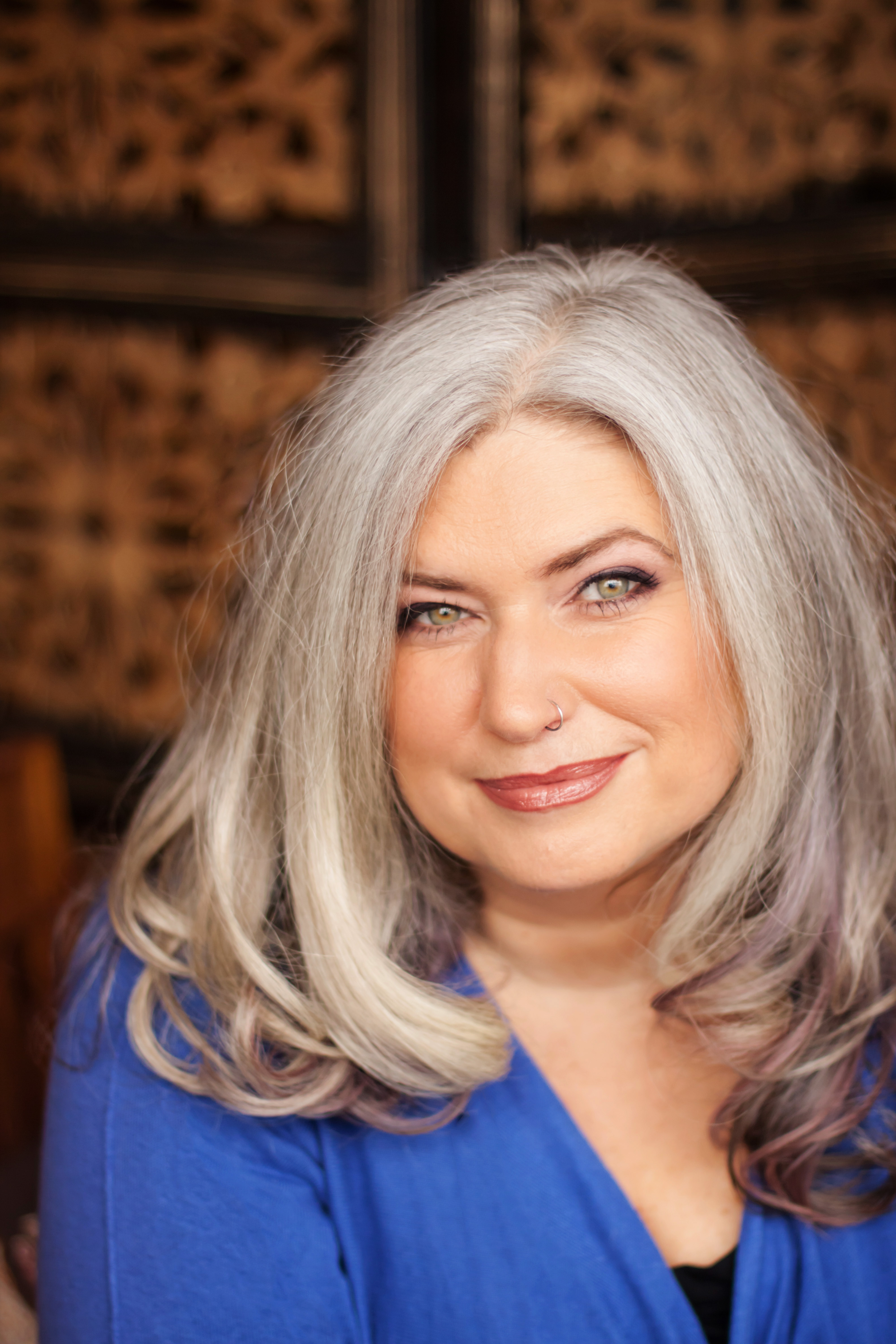
When Being Upset Feels Complicated
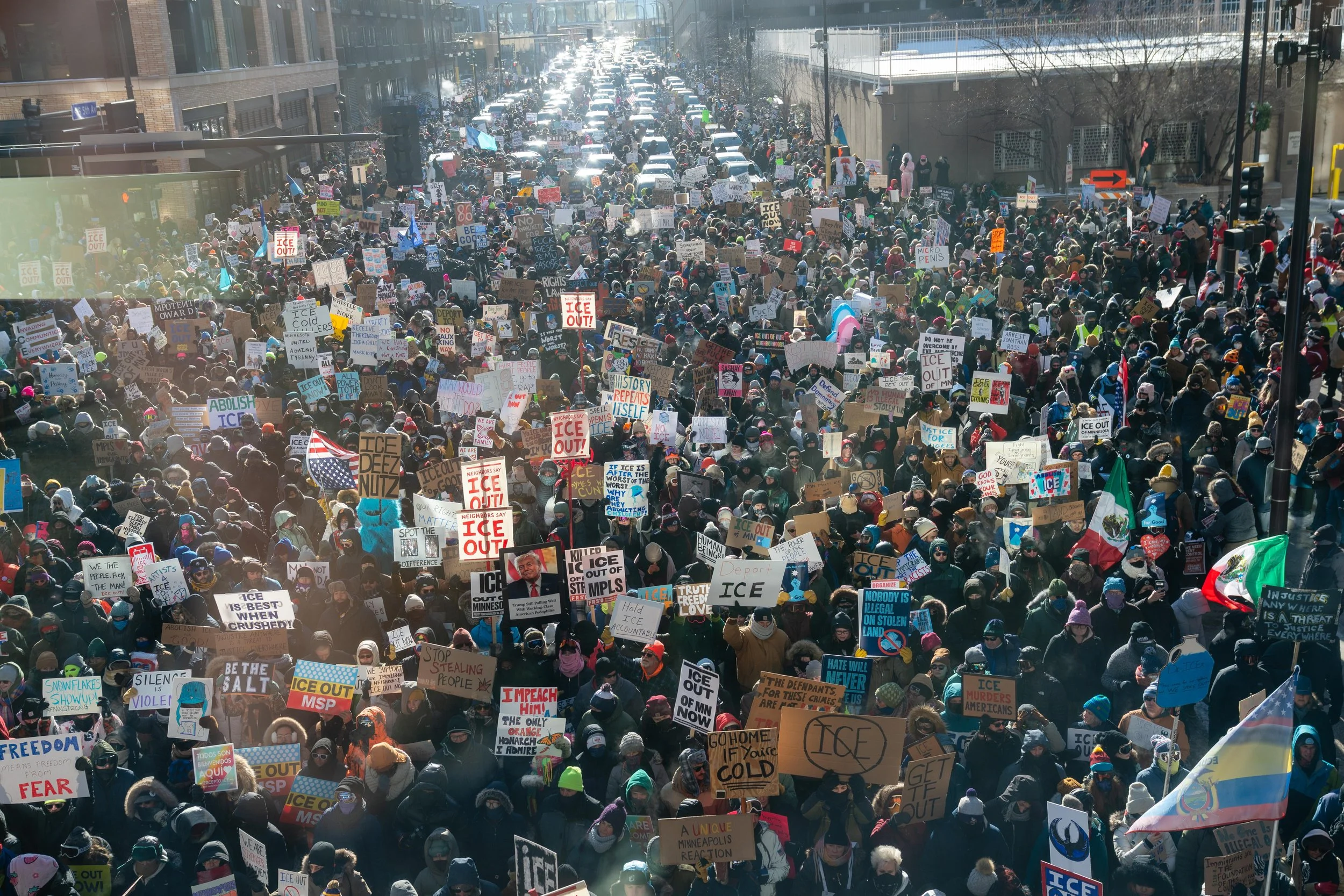
2026 Minneapolis protest nervous system regulation in the face of stress
On Moral Injury, Difference, and Telling the Truth Without Causing More Harm
BY MICHELE RENEE, DC, MAC
This is upsetting.
That feels like the simplest, truest place to begin.
What’s happening right now — here in Minneapolis and across the country — is disturbing in a way that lives not just in our minds, but in our bodies. It shows up as grief, fear, anger, vigilance, exhaustion. It shows up differently, and with different intensity, depending on who you are and where you stand.
And that difference matters.
Some people are directly threatened.
Some people are searching for friends, family, or both.
Some are grieving loved ones.
Some are carrying generational fear.
Some are outraged.
Some are numb.
And some, unbelievably, seem untouched at all.
Holding all of this at once is not simple. It asks more of us than most conversations allow.
Not All Impact Is Equal — and That Truth Matters
One thing I keep returning to is this: we are all affected, but we are not all affected in the same way.
As a White person, I know that what I’m feeling — shock, grief, anger — is not the same as what my Black and Brown neighbors and friends may be carrying. The threat is not distributed evenly. The risk is not theoretical for everyone. The history is not shared equally.
Naming that isn’t self-punishment.
It’s orientation.
It’s a way of locating myself honestly in a much longer story — one that did not begin this week, or this year, or even in my lifetime.
Living Close — and Carrying a Different Memory
I live just blocks from where Renée Good was killed. I live about a mile from where Alex Pretti was killed. And I live not far from where George Floyd was killed.
These events didn’t happen in a distant news cycle. They happened in neighborhoods. Neighborhoods where people live their daily lives, where children walk to school, where ordinary time was suddenly interrupted by state violence.
I didn’t choose this community by accident. I love it because of its richness — the music of many languages drifting through open windows, the collage of garments, the smell of spices from all over the world. This diversity isn’t something I visit. It’s something I belong to.

Colorful rickshaw in Bangladesh with flag
And there’s another piece of my story that shapes how I experience this moment.
I was a child in Bangladesh under martial law. Curfews. Men with guns in the streets. The real threat of being shot on sight. That was daily life. Those memories are burned into my nervous system.
So when I see federal agents deployed through a city, when I see armed authority asserting control, my body doesn’t experience that as abstract or new. It registers it as familiar — and activating.
This isn’t credentialing myself.
It’s sensory history.
Awareness and the Reality of Privilege
And still — I am a White person.
I was not raised White in the United States, and my upbringing across cultures and faiths gave me an early familiarity with power and force that many people here have never known. But I live inside U.S. White culture now, and I benefit from systems that make life easier for people who look like me.
That truth is uncomfortable. And necessary.
What troubles me most is how quickly broader outrage seemed to crystallize only after these recent killings — as though the routine violence experienced by Black, Brown, Indigenous, and immigrant communities suddenly became visible when white bodies were harmed.
That realization doesn’t make me defensive. It makes me honest.
Because this violence is not new. The history of state harm in this country is long and well documented. What’s changed is not the existence of violence — it’s who is being seen, and when.
Moral Injury and the Limits of the Body
What I find myself carrying isn’t just sadness or anger. It’s moral injury.
Moral injury arises when what we are witnessing violates our core sense of humanity — and when our ability to respond in alignment with our values feels constrained.
It can sound like:
Who am I to feel this upset when others are carrying so much more?
Why am I so tired when there is so much to do?
Why can’t I show up the way I think I should?
Sometimes I even notice myself feeling bad about feeling bad — as if grief itself requires permission.
That spiral doesn’t make us more ethical.
It just makes us smaller.
Capacity Is Not the Same as Commitment
One of the most damaging ideas we inherit is that capacity equals commitment — that how much you can do determines how much you care.
It doesn’t.
Capacity fluctuates. Nervous systems have limits. Bodies carry history.
Recognizing that others are more impacted does not require erasing yourself. And honoring your limits does not negate accountability.
Compassion allows humility without self-erasure.
Honesty without collapse.
Care without performance.

two people sitting and having tea together
Speaking Without Stepping on Each Other
One of the hardest parts of moments like this is wanting to be honest and wanting not to cause harm.
I don’t have a formula for navigating that perfectly. What I have is a practice:
Speak from where you are, not for others
Name history without defensiveness
Hold grief without claiming equivalence
Let listening be as active as speaking
Allow self-compassion without bypassing responsibility
This work is slower than outrage.
And more sustaining.
Staying Human in the Middle of It
I don’t think the goal right now is to get this “right.”
I think the goal is to stay human — to remain capable of tenderness, discernment, and honesty in the presence of something that is genuinely disturbing.
If you’re upset, conflicted, tired, aware, unsure — you’re responding to something real.
And if you’re holding multiple truths at once, that isn’t hypocrisy.
It’s maturity.
We can care deeply.
We can acknowledge disparity.
We can rest when we need to.
We can remain accountable.
These are not contradictions.
They are layers of humanity.
Closing Invitation
If you are navigating this moment with care, discomfort, and a sincere desire not to cause harm while telling the truth, you are not alone.
At The Body Luminary, we practice staying present with complexity, tending both our nervous systems and our shared humanity, knowing there is no single right way to be in times like these.