Why Healing Is More Like Gardening Than Fixing
My mother was a nurse, so I approached healing the way many of us are taught to approach problems:
identify what’s wrong, apply the right fix, and expect improvement to follow.
When that didn’t work — or worked briefly and then fell apart — I assumed I was missing something. Trying the wrong thing. Not trying hard enough. Not doing it “right.”
It took me years to realize that the problem wasn’t my effort.
It was the metaphor.

Canary, sensitive, highly sensitive person, canary in the coalmine
Growing Up Sensitive
I’ve always been a sensitive person — physically and emotionally.
As a child and young adult, my body seemed to react to everything: asthma, frequent infections, stomach aches, daily headaches that later became severe migraines, rashes, depression, and a long list of symptoms that never quite resolved.
I was also emotionally sensitive — deeply empathetic, easily affected by other people’s grief, sadness, and distress. I often felt things before I could make sense of them, carrying emotional weight that didn’t always feel like it belonged solely to me.
I spent years moving in and out of mainstream medical care, genuinely trying to find answers. Some treatments helped temporarily. Others didn’t help at all. And some, honestly, made me feel worse.
Mostly, I was left with a quiet sense that my body — and maybe my nervous system — was complicated, difficult, or somehow failing at something that seemed easier for others.
At twenty-five, I finally saw a holistic doctor — not because I had given up on conventional medicine, but because I was still searching.
She listened to my story intently. She took copious notes. And when I finished, she didn’t tell me what was wrong with me.
Instead, she said something simple:
“Try eliminating dairy, wheat, and refined sugar for two weeks and see how you feel.”
That was it.
No diagnosis.
No list of diagnoses.
No declaration of brokenness.
Just an experiment rooted in curiosity.
Within weeks, my symptoms improved dramatically.
What Changed Wasn’t Just My Body
What stayed with me wasn’t only the physical relief — it was the shift in how I understood healing.
For the first time, I saw my body not as something to correct, but as something responding intelligently to its conditions. What I put into my body, what I was exposed to, how I lived, how I thought — all of it mattered.
Nothing had been “fixed.”
Instead, the conditions had changed.
That was the beginning of a new way of relating to my body — one rooted less in control and more in listening.
Wanting to Offer What I Had Been Given
Not long after that experience, I realized something else had shifted.
I didn’t just feel better — I felt oriented in a new way. I could see how much influence we actually have over our wellbeing when we’re invited into curiosity instead of correction.
Most people go their entire lives never discovering this possibility — never being met as unique beings with unique needs, never being encouraged to explore what might support them rather than being told what’s wrong.
I knew then that I wanted to be like that doctor. I wanted to help people — especially sensitive people — make this discovery about their health.
What she offered me wasn’t a protocol. It was a way of seeing: that bodies respond intelligently to their environments, and that healing often comes from changing conditions rather than fixing people.
Just like plants need different soil, light, and water, each of us requires something slightly different to thrive. Some of us may not be eating foods that support us. Others may be doing the wrong kind of movement, or living with exposures that quietly drain us. And sometimes the most harmful conditions aren’t physical at all — but old trauma or beliefs about ourselves that shape how we live in our bodies.
The capacity to thrive is there.
The question is whether the conditions support it.

White Volkswagon car mechanical problems repairs
Fixing Assumes Something Is Broken
Fixing has its place. When something mechanical breaks, repair makes sense.
But bodies — especially bodies shaped by illness, stress, trauma, or long adaptation — aren’t machines. They are living systems.
When we approach healing as fixing, we often carry an unspoken belief:
something is wrong with me, and I need to correct it.
Even when that belief is subtle, the body can feel it.
Gardening Starts From a Different Place
Gardening begins with a different assumption.
A struggling plant isn’t failing. It’s responding to its environment.
A gardener looks at soil, light, water, timing, season. They ask what’s missing — and what might be too much. They understand that growth can’t be forced, only supported.
Healing, I’ve learned, works much the same way.
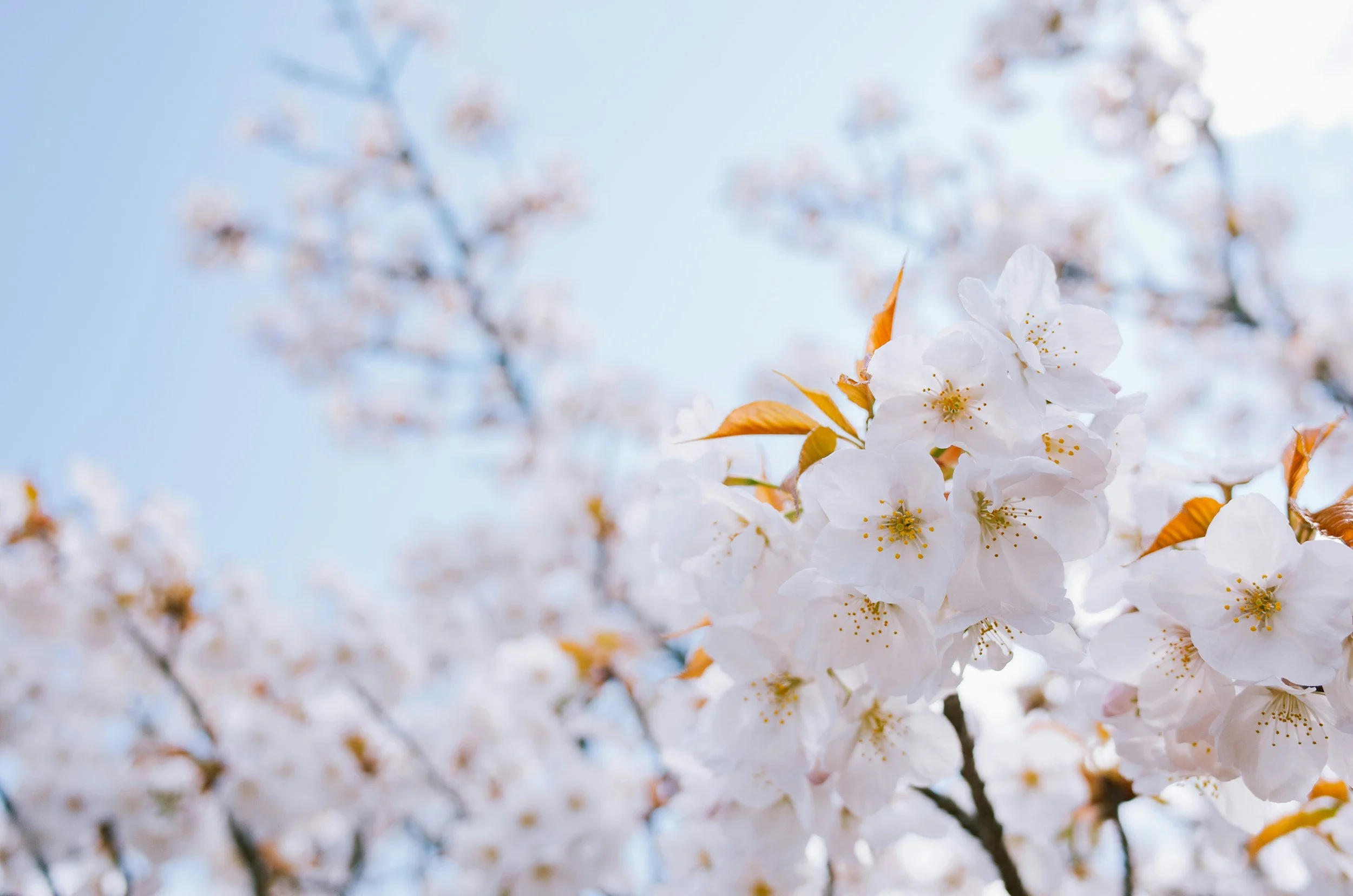
Cherry blossom tree delicate flowers sunshine fresh air tending holistic
Tending Instead of Forcing
When I talk about tending, I’m talking about relationship — not effort.
Tending is curious.
It notices patterns.
It adapts as conditions change.
Sometimes it looks active: nourishment, movement, support.
Other times it looks like restraint: less input, more rest, protection from overwhelm.
Both are forms of care.
Neither requires the body to prove it deserves attention.
The Body Is Always Communicating
In a fixing mindset, symptoms are problems to eliminate.
In a tending mindset, symptoms are information.
They tell us something about capacity, safety, overload, or unmet needs. They may not speak clearly — but they are trying to be heard.
Listening doesn’t mean doing nothing.
It means responding with discernment instead of urgency.
Tending Includes Everything That Helps
One last thing feels important to name.
Tending excludes nothing.
Tending isn’t a rejection of medicine or a preference for one kind of intervention over another. It’s a philosophy that aligns closely with integrative healthcare — using what is needed when it’s needed.
Sometimes that means a pharmaceutical.
At other times, it might be a nutrient or an herb.
And often, regular hands-on care — massage therapy, gentle chiropractic, acupuncture — helps maintain balance and support the nervous system over time.
What matters is fit — for your body, in this moment.
Tending asks us to keep observing. To stay curious. To notice what your body needs now — knowing that what supports you today may shift over days, weeks, or months as you change and as your environment changes too.
This isn’t inconsistency.
It’s responsiveness.
And it’s one of the most respectful ways I know to work with a living system.

Colorful garden and a path forward tending healing nurturing thriving balance wellbeing
Beginning Where You Are
If you’re reading this and something in you softens — even a little — that’s enough.
You don’t need to change everything. You might simply notice how you speak to your body, or how you respond when it asks for something different than you expected.
That noticing is already tending.
And like any garden, healing begins exactly where you are — with the soil you have, in the season you’re in.
This philosophy is the foundation of Body Luminary and The Tending Method — an integrative, responsive way of relating to the body that honors its intelligence, sensitivity, and changing needs over time.